Papercraft kits

Paper Alpaca

Alpaca size: 70 x 27 x 22 cm

The Alpaca kit contains:
  • 4 large coloured templates
  • 1 white template for the snout and inner ears
  • A test shape to practice
  • Folding and building instructions
  • A tube of fast drying glue
  • Wooden folding lath

All you need to add is a pair of scissors or a little craft knife and you’re ready to assemble this Alpaca.

  • Made in The Netherlands
  • Paper DIY project
  • Eco-friendly

27,50 Incl. VAT

Product color

SKU: Alpaca Category:

Description

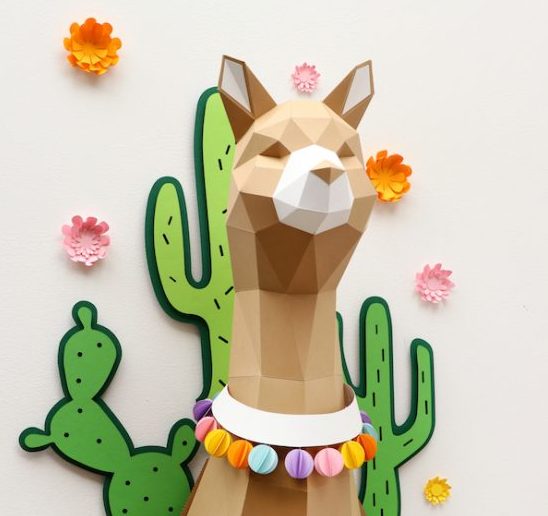
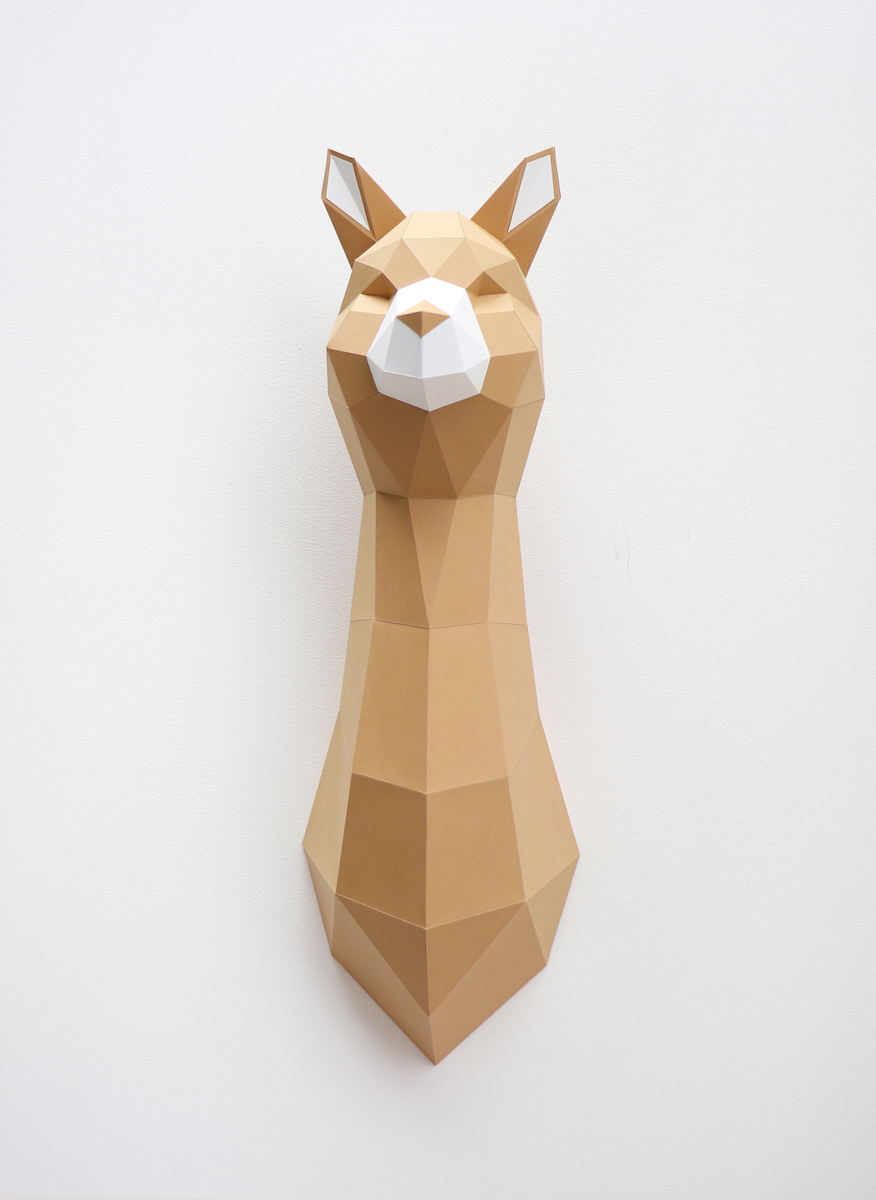
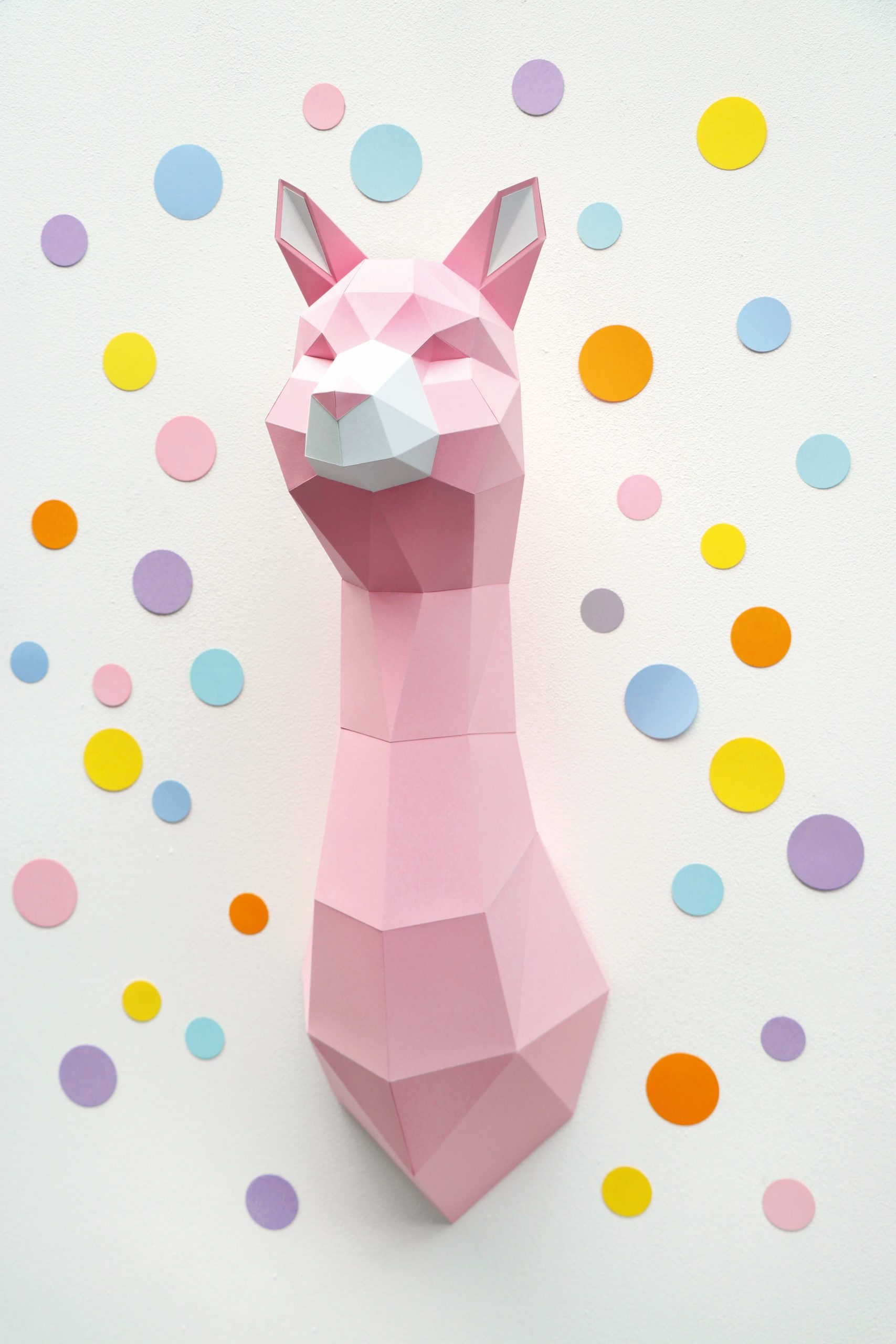
Make your own wall decoration with this 3D paper Alpaca!

Let’s build a 3D paper Alpaca! Implement a piece of Peruvian lifestyle into your home in an animal friendly way. Assembli’s do-it-yourself 3D paper Alpaca is made with *FSC-certified paper. Perfect in combination with a bohemian style interior, or super cute in a child’s room! Assembling this 3D paper Alpaca animal head is a mindful journey. It will keep you busy for a few hours with an amazing result. The feeling of pride and joy when you finish building this beautiful curious Alpaca is great!

Add an extra splash of colour to your Alpaca by downloading the FREE template for a Peruvian decorative necklace.

The Alpaca kit contains:

  • 4 large coloured templates
  • 1 white template for the snout and inner ears
  • A test shape to practice
  • Folding and building instructions
  • A tube of fast drying glue
  • Wooden folding lath

To add yourself: a pair of scissors or small craft knife.

FSC_C016391_EN_Promotional_with_text_Portrait_Green

*FSC® -MIX paper certifies that this paper is made of responsibly sourced wood fiber. 

Look for our other FSC®-certified paper craft kits marked with *


Alpaca facts:

The Scientific Name of the funny Alpaca is Vicugna pacos. An Alpaca is a completely domesticated animal, that is why alpacas live for a pretty long time. If you take good care of an alpaca, they live for up to 20 years or so. There are no wild alpacas. That is because Alpacas are domesticated versions of Vicuñas, South American ruminants that live high in the Andes. Alpacas are related to llamas, which are domesticated versions of another wild Andean ruminant, the Guanaco.

Llamas are used as pack animals, alpacas are raised mainly for their soft wool. Additionally their wool is some of the silkiest, most versatile fiber in nature. In fact, their fur is stronger than mohair, warmer than goose down, and more breathable than thermal knits. They look sweet and fluffy but they don’t mind to spit! Spitting is used to warn an aggressor away.

Peru has the world’s largest alpaca population. Most alpacas are 48-54 inches tall and weigh anywhere from 106 to 185 pounds. An alpaca can become quite old, for example, the longest documented lifespan of an alpaca is 28 years. Alpaca’s are about 36 inches tall at the withers. Females begin reproducing at approximately age 2, and have one baby (called a cria) at a time.

Additional information

Weight0,390 kg
Properties

FSC-certified

Alpaca instructions

Want to know more about how to assemble this paper craft kit? Click on the button below to download written instructions in English, French and German.

Also visit the instructions page for more written and visual explanations of our other DIY projects.

Curious to get some inspiration on starting your paper do-it-yourself journey? Visit our Instagram and TikTok for plenty of visuals and videos.

Download PDF

You may also like…

Alpaca necklace cactus low
1

Origin

The Scientific Name of the funny Alpaca is Vicugna pacos. An Alpaca is a completely domesticated animal, that is why alpacas live for a pretty long time. If you take good care of an alpaca, they live for up to 20 years or so. There are no wild alpacas. That is because Alpacas are domesticated versions of Vicuñas, South American ruminants that live high in the Andes. Alpacas are related to llamas, which are domesticated versions of another wild Andean ruminant, the Guanaco.

2

Wool

Llamas are used as pack animals, alpacas are raised mainly for their soft wool. Additionally their wool is some of the silkiest, most versatile fiber in nature. In fact, their fur is stronger than mohair, warmer than goose down, and more breathable than thermal knits. They look sweet and fluffy but they don’t mind to spit! Spitting is used to warn an aggressor away.

3

Statistics

Peru has the world’s largest alpaca population. Most alpacas are 48-54 inches tall and weigh anywhere from 106 to 185 pounds. An alpaca can become quite old, for example, the longest documented lifespan of an alpaca is 28 years. Alpaca’s are about 36 inches tall at the withers. Females begin reproducing at approximately age 2, and have one baby (called a cria) at a time.